
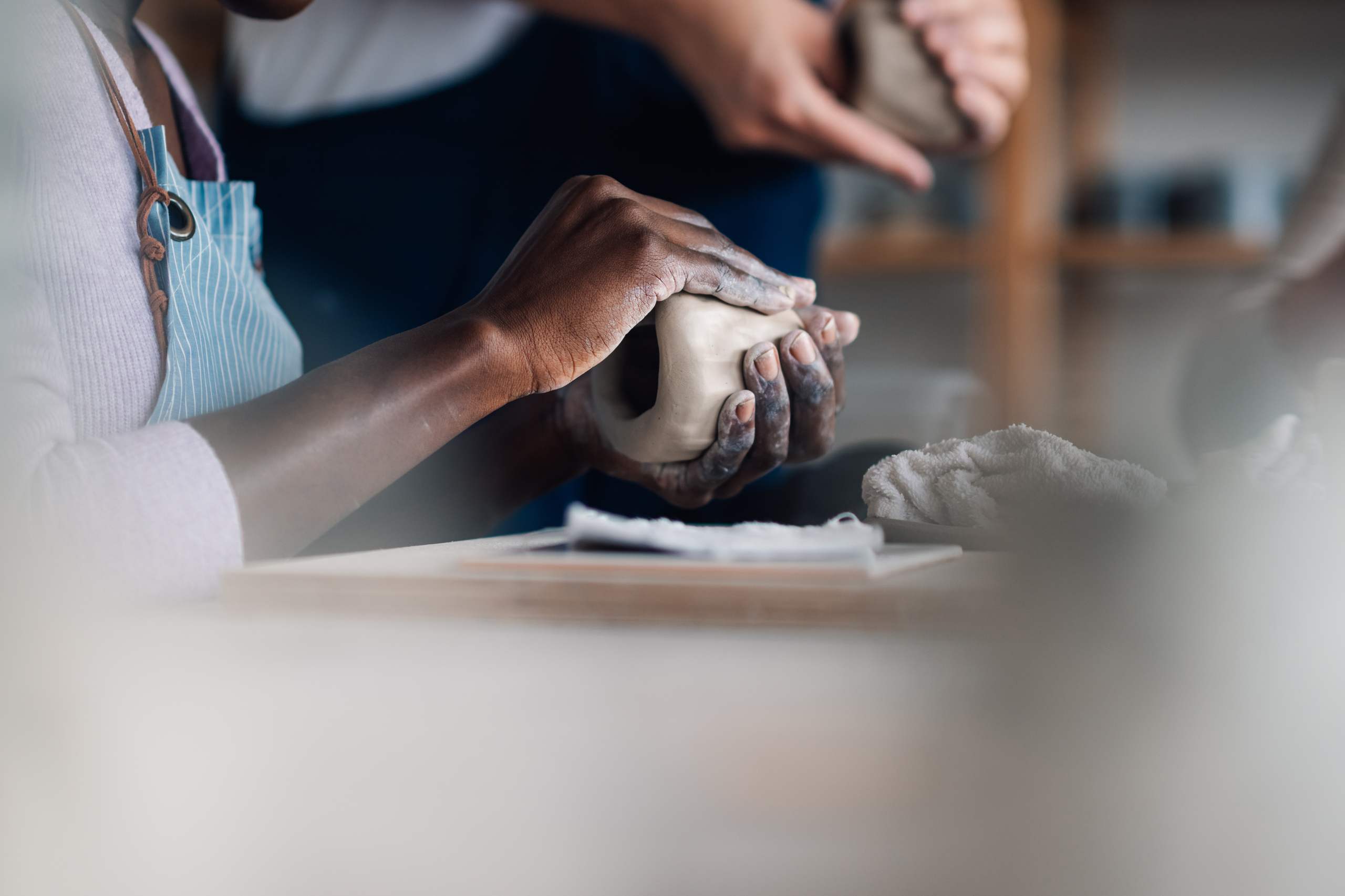
Embarking on a pottery journey is thrilling, yet it’s natural for those just starting out to run into the same pitfalls. Knowing these frequent errors ahead of time will help you learn more quickly, stay encouraged, and develop solid ceramics skills right from the start.
Not Preparing Your Clay Properly
The most common pitfall is starting to work without having properly prepared the clay to begin with. When air pockets are present, or if moisture levels aren’t consistent throughout the clay body, you may run into cracks, weak areas, or even pieces breaking in the kiln.
Making sure you wedged your clay thoroughly before shaping it makes sure you’re working with a homogenous material. That’s going to help you shape with far more success.
Good preparation is critical to good results.
Going Too Fast Shaping
When new potters first hit the wheel, the urge to get it “done” is very tempting. This is how you end up with warped forms, lopsided walls, or even whole pieces tipping over in your hands.
Slow, intentional, and controlled shaping is better than speed and force in shaping.
Patience is necessary on the wheel.
Not Considering Wall Thickness
Another common mistake, which may also lead to cracks either during drying or in the kiln, is having a piece with wall thicknesses that change greatly. The thick and thin spots will dry and shrink at different rates, leading to tension.
Keeping your wall thickness the same will lead to a much better, and much more even, drying process. This is true for pretty much any pottery piece, particularly those designed to hold things.
Consistency matters.
Working the Clay Too Much
Working clay too much is another common mistake. This can weaken the structure and make it much harder to control later.
Once you’ve gotten your basic shape, sometimes it’s best to stop and do minor tweaks rather than trying to change your piece constantly.
Learning to stop is one part of pottery success.
Not Preparing for Drying
A common area where beginners make mistakes is during the drying process itself. A clay piece dries too fast or not equally, it is likely to crack, and it may warp.
The best way to dry is in a controlled environment that won’t change much; keep them away from direct sunlight, heat, or drafts. Sometimes you’ll also need to cover them lightly to slow them down a bit.
Good drying keeps your clay safe.
Not Making Test Pieces
Some pottery beginners just try to jump right into making a finished item, instead of first trying a small version of it. This can waste time.
A test piece is a great place to see how your clay behaves, and a better way to improve your technique before starting larger, more important pieces.
Experimentation is how you improve.
Wanting to Learn Too Quickly
Pottery is a craft that requires time and consistent practice for you to see real improvement. If you start expecting to get everything right right off the bat, it will leave you feeling frustrated.
There’s no wrong way to approach learning, though; every time you make something, even your imperfect pieces can teach you something. Progress only comes when you stick with it.
You have to take time to develop ceramics.
Conclusion
So, most of the mistakes that beginner pottery makers make are the result of rushing ahead, lack of preparation, and a lack of knowledge about the clay they’re using. By making sure you prepare your clay right, that you shape slowly and controlled, and that you dry correctly, you’re going to have far better success. The sooner you realize these challenges are going to occur, the better off you’ll be in the long run.